
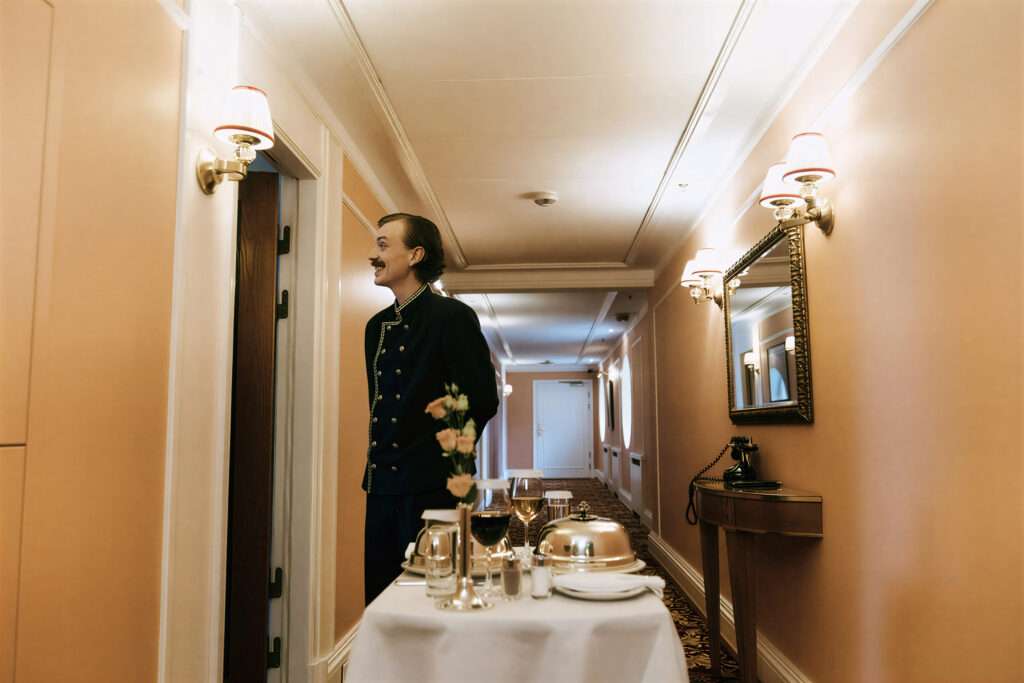
Real‑time orchestration of housekeeping, F&B, and front‑office protects margins as labour gaps tighten in 2026.
The 2026 Hospitality Labour Challenge in Europe
Across Europe, the hospitality sector continues to face acute staff shortages, creating unprecedented operational challenges. Roughly around 65% of hotels report inability to fully staff key roles such as housekeeping, front-office, and F&B. Even after wage increases and incentives, many positions remain unfilled. Low- and mid-skill roles, including housekeeping, reception, and service staff, remain in highest demand.
Meanwhile, inflation and rising operational costs add further strain. Labour costs, energy bills, utility inflation, and supply chain disruptions continue to squeeze hotel budgets. Consequently, profitability has become the top concern for European hotel executives. Furthermore, traditional operating models are under pressure. Staffing gaps combined with rising costs are pushing hotels to rethink operations, processes, and workforce planning for 2026.
Many hotels plan modest hiring, yet the lack of skilled staff remains a major barrier. Around 47% of accommodations cite “lack of necessary skills or experience” as a key hiring challenge. Smaller and independent hotels suffer most: they often lack in-house training programs and the capacity to invest in digital tools or automation. As demand rebounds post-pandemic and tourism recovers, occupancy levels surge. However, staffing and operational costs have not caught up, pushing margins even tighter.
Therefore, 2026 demands data-driven, real-time operational models — not just more hiring or manual fixes — to protect margins and service quality.

Why Traditional Rosters and Fixed Operations No Longer Work
First, many hotels still rely on static rosters, fixed shifts, and legacy scheduling tools. These methods fail to match real guest flows, occupancy variation, and unpredictable service demand. Consequently, understaffing occurs during peak periods, while overstaffing occurs during slow times — both harming profitability and guest satisfaction.
Moreover, silos between housekeeping, front-office, and F&B worsen inefficiencies. Poor interdepartmental coordination leads to delayed room turnovers, slow food service, long check-in times, and frustrated guests. In 2025–2026, fewer staff amplify these inefficiencies.
Additionally, cost pressures make labour, energy, and material waste far more damaging. Idle staff, inefficient shifts, and unnecessary overtime quietly erode margins and reduce operational resilience.
Given 2026’s reality — tight labour supply, rising costs, and fragile profit margins — legacy staffing methods no longer provide the agility hotels need. Real-time visibility and orchestration are now essential.
Fortunately, real-time orchestration platforms consolidate occupancy, bookings, housekeeping, F&B, and staff data into a single, unified dashboard. This provides live visibility into guest traffic, room status, and service demand.
Consequently, hotel managers can dynamically assign staff where demand peaks — for example, during check-in rushes, breakfast/lunch/dinner services, or rapid room turnovers. This reduces reliance on overtime and temporary staff.
Moreover, real-time adjustments allow shifts to scale down during slow periods, saving wages, energy, and operational costs, without compromising guest experience.
In addition, predictive insights highlight when peak occupancy will occur, enabling staff to be reassigned or cross-trained ahead of demand. Managers can proactively prevent bottlenecks in housekeeping, kitchen, or front-office operations.
As a result, hotels achieve predictable staffing, balanced workloads, and lean operations, enabling profitable operation with fewer staff but smarter planning.
How Real-Time Orchestration Transforms Hotel Operations in 2026

What Hotels Gain: Margin Protection, Staff Stability, Better Guest Experience
First, smarter orchestration maximizes staff efficiency by aligning labour supply with actual demand. Cost savings emerge from reduced overtime, energy use, and operational waste, improving margins despite inflation and wage growth. Moreover, guest experience remains high even under staffing scarcity. Rooms are cleaned promptly, meals are served on time, and check-ins are efficient. Consistent service builds loyalty and protects brand reputation in competitive 2026 European markets.
In addition, staff workload becomes fairer and more predictable. Reduced overtime and balanced schedules lower burnout risk, enhancing employee retention and workplace morale. Finally, hotels gain resilience against seasonal demand swings, labour market uncertainty, and economic pressures. With real-time orchestration, operations remain agile, sustainable, and aligned to guest demand.
Here's what you get with Zenotris
Zenotris provides a unified, real-time operations dashboard designed for the hospitality pressures of 2026. Live visibility into occupancy, bookings, room status, staff availability, and F&B demand allows managers to allocate staff dynamically.
In addition, predictive staffing and capacity planning help forecast demand peaks, adjust shifts ahead, and reduce operational waste. With Zenotris, hotels can defend margins, maintain service quality, and remain competitive despite ongoing labour shortages and inflation.