
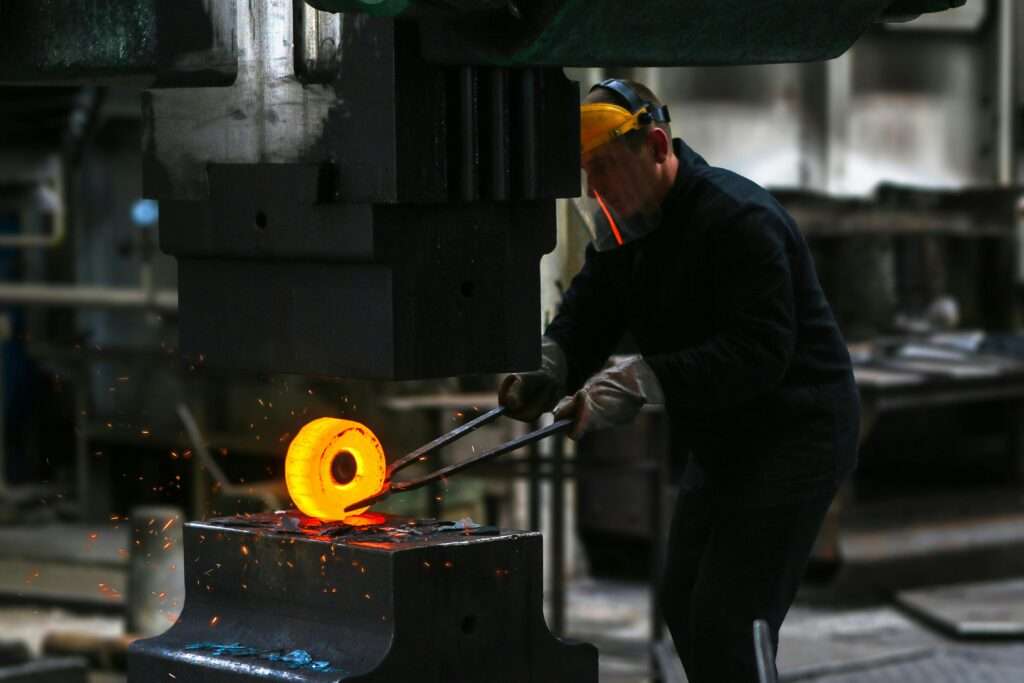
Industry Context
Sector: Italian Family-Owned Discrete Manufacturing
Region: Italy
The company had built its reputation on craftsmanship.
Highly skilled operators.
Deep product knowledge.
Strong pride in quality.
For decades, this model worked exceptionally well. Customer loyalty was high. Brand perception was strong.
But as the business expanded into new export markets and increased production volume, something began to change.
Rework rates were climbing.
Not dramatically — but consistently.
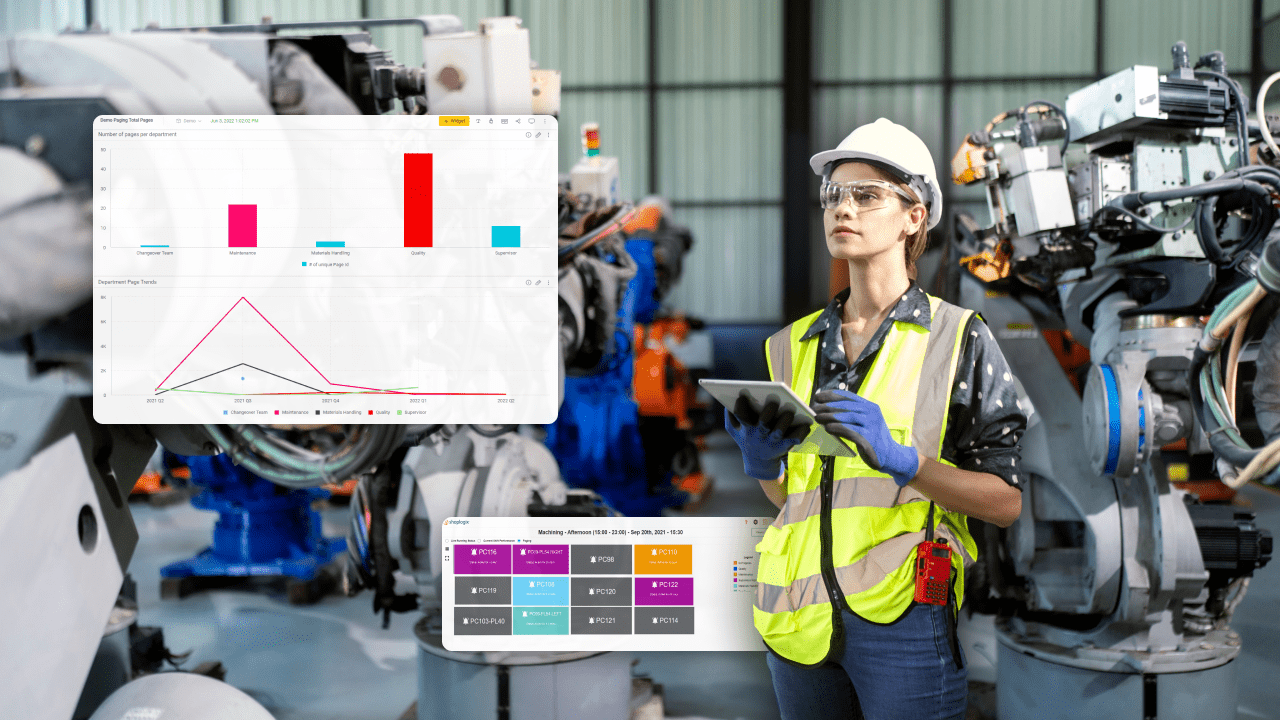
Today’s logistics economy rewards innovators. Technology is no longer considered a luxury; it is the foundation of competitiveness. Those who use tools like process intelligence increase their resilience, visibility, and agility. These characteristics are crucial in marketplaces experiencing change, uncertainty, and increased customer demands.
Firms that fail to innovate risk falling behind. Manual oversight cannot keep up with the complexities of global logistics. While competitors streamline and optimize, laggards lose money, customers, and reputation. In a business where every second counts, inefficiency may soon become the costliest liability.
Technology enables logistics organizations to not only survive, but grow. Businesses achieve long-term growth by combining data and action. others that act early have a competitive advantage over others who wait until inefficiencies destroy value.
The The Business Problem
Leadership observed:
- Increasing internal rework tickets
- More frequent minor specification corrections
- Longer lead times for complex orders
- Growing pressure on experienced operators to “fix” issues
What made the situation confusing was this:
Final customer complaints remained relatively stable.
The defects were being caught — but later in the process.
The Initial Assumption: Growing Complexity
Management initially believed the rise in rework was simply the cost of scaling:
⚪ More product variants
⚪ More international customers
⚪ Tighter compliance requirements
These factors played a role.
But they did not fully explain why rework frequency was increasing even for long-established product lines.
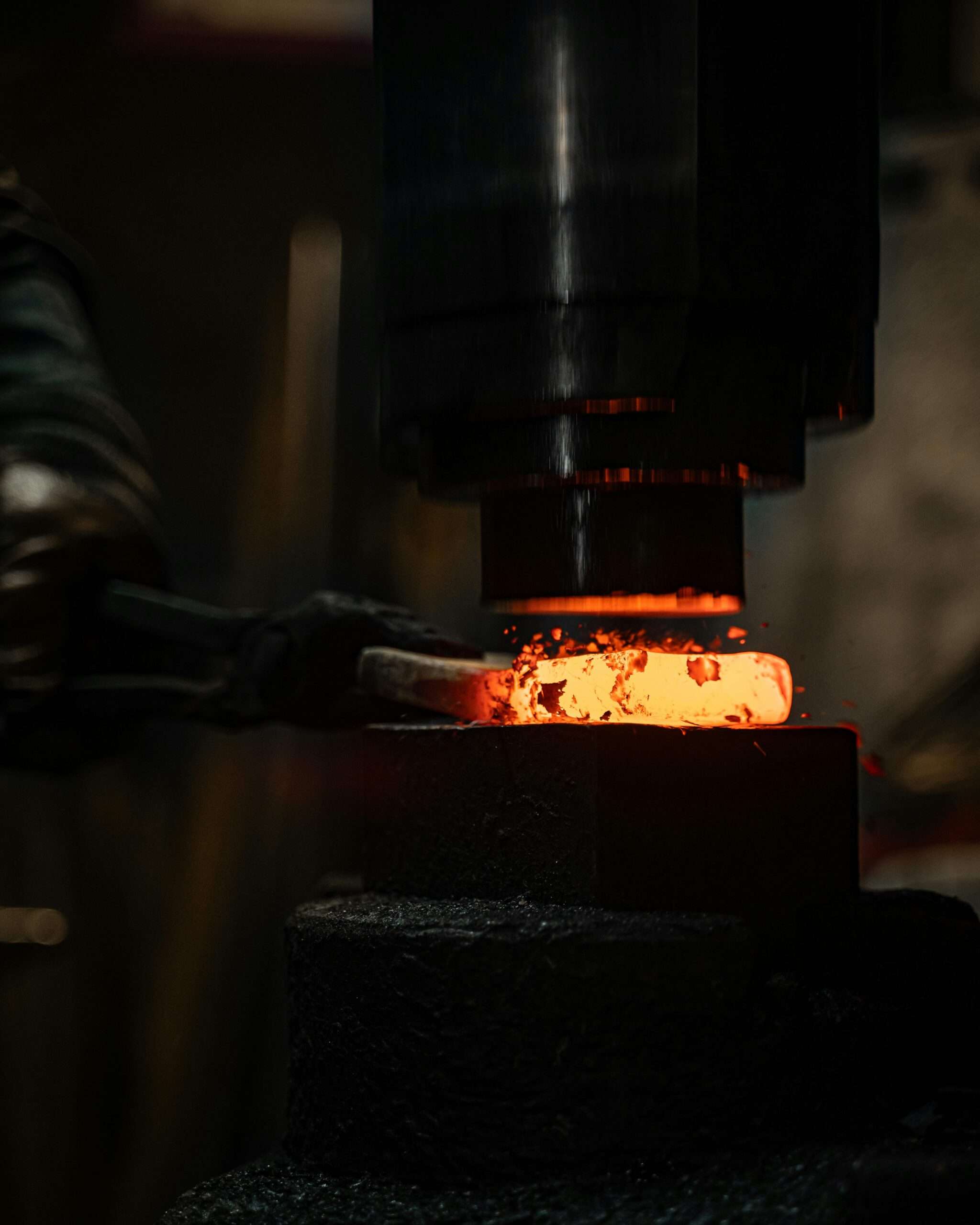
Looking at the Quality Path, Not Just the Outcome
Zenotris shifted the analysis from final defect counts to the entire quality journey of each order.
We mapped:
⚪ Design clarification loops
⚪ Operator adjustments during production
⚪ Informal supervisor approvals
⚪ Inspection findings and corrections
⚪ Engineering feedback timing
Instead of asking, “How many defects occurred?” we asked, “How many times did work circle back before completion?”
The company’s strength — informal expertise — had become a scaling constraint.
Historically:
- Operators would quickly walk to engineering for clarification
- Supervisors informally approved small deviations
- Adjustments were made in real time based on experience
As production volume grew, these informal feedback loops became inconsistent.
Key findings included:
- Clarification delays when senior experts were unavailable
- Different interpretations of specifications across shifts
- Repeated micro-adjustments on similar product types
- Corrections occurring late because early signals were undocumented
Craft knowledge existed.
But it was not consistently embedded in process flow.
Why Craftsmanship Alone Doesn’t Scale
In family-owned Italian manufacturing environments, quality is often protected by expertise rather than strict procedural enforcement.
At smaller volumes, this creates flexibility and pride of ownership.
At larger volumes, variability in interpretation increases.
Rework becomes the safety net.
The issue was not lack of skill.
It was variability in how that skill was applied.
What Process Intelligence Revealed

The Intervention: Making Feedback Visible Without Killing Flexibility
Zenotris worked with leadership to preserve craftsmanship while stabilising quality paths.
Actions included:
⚪ Mapping common clarification triggers
⚪ Standardising early-stage decision checkpoints
⚪ Reducing dependency on single experts for routine approvals
⚪ Introducing visibility into recurring micro-corrections
The goal was not rigid bureaucracy.
It was faster, clearer corrective action — earlier in the process.
Measurable Impact (Within 110 Days)
⚪ Noticeable reduction in repeat rework patterns
⚪ Faster clarification turnaround times
⚪ More consistent quality interpretation across shifts
⚪ Improved on-time completion for complex orders
Rework did not disappear entirely.
But it became predictable — and preventable.
Why This Matters for Italian Manufacturers
Many Italian manufacturing businesses are built on generational expertise and strong craft identity.
As these businesses grow internationally, informal coordination models can struggle under scale.
Quality path variability increases not because skill declines — but because communication patterns change.
Process Intelligence preserves craftsmanship while adding structural clarity.
Strategic Takeaway
Craftsmanship is a competitive advantage.
But when feedback loops remain informal, rework becomes the system’s stabiliser.
Zenotris helps family-owned and high-craft manufacturers translate expertise into consistent, scalable process flow — delivering faster corrective action and stronger operational resilience.