

Executive Summary
Zenotris partnered with a major logistics operator in the Netherlands, a key European gateway, in order to revamp its supply chain and logistics processes. The client faced rising volume, labour costs as well as service expectations, prompting them to explore digital process optimization and time reduction. With the help of analytics, centralized planning, and automation, Zenotris enabled the operation to achieve faster order-to-cash cycles, better margin control, and a strong logistics network ready for the challenges of Europe’s competitive markets.
Background & Challenges
The Netherlands is also known as the home to Europe’s largest ports and high-density distribution centers. Therefore, NL deals with growing pressure for efficient, scalable, and sustainable supply chain operations. The client’s multi-site logistics operation, which serves over 100 locations across Europe, faced several significant challenges such as:
Prolonged Turnaround Times: High variability and poorly coordinated hand-offs caused order cycles to often exceed 3 days from receipt to delivery.
Fragmented Processes: Manual scheduling, a lack of real-time data integration, and separate warehouse management systems led to redundant or lost movements, inefficiencies in cross-docking, and high error rates.
High Operational Costs: Dispersed workflows resulted in increased expenses for salary, warehouse, and transport per shipment, hurting scalability and profitability.
Underutilized Capacity: Transport assets, such as export trolleys and trucks, and warehouses had average utilization below 70%, causing unnecessary costs and environmental effects.
Lack of Predictive Insights: Without real-time performance metrics or predictive analytics, most improvement efforts responded only after bottlenecks caused delays.
Engagement Objectives
Zenotris was brought on board to:
- Reduce total order-to-cash cycle time for European logistics flows.
- Standardize and automate key processes like warehouse assignment, cross-docking, and transport allocation.
- Optimize asset utilization and streamline staff allocation.
- Create a single digital dashboard for real-time performance monitoring.
- Deliver measurable, swift improvements to both service and profitability.
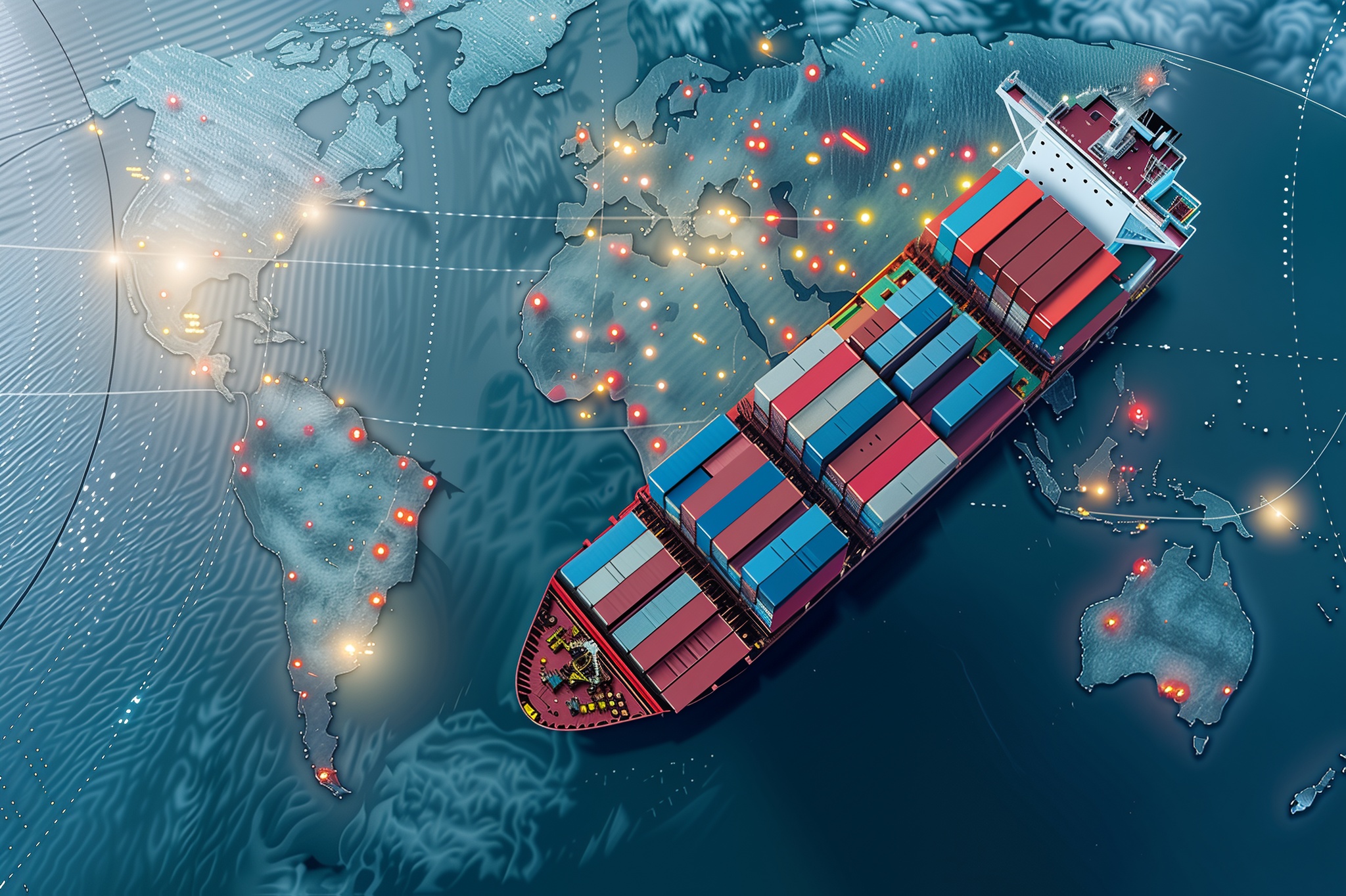
Today’s logistics economy rewards innovators. Technology is no longer considered a luxury; it is the foundation of competitiveness. Those who use tools like process intelligence increase their resilience, visibility, and agility. These characteristics are crucial in marketplaces experiencing change, uncertainty, and increased customer demands.
Firms that fail to innovate risk falling behind. Manual oversight cannot keep up with the complexities of global logistics. While competitors streamline and optimize, laggards lose money, customers, and reputation. In a business where every second counts, inefficiency may soon become the costliest liability.
Technology enables logistics organizations to not only survive, but grow. Businesses achieve long-term growth by combining data and action. others that act early have a competitive advantage over others who wait until inefficiencies destroy value.
Solution Approach
- End-to-End Process Mapping and Bottleneck Identification
Zenotris used process mining and data integration tools to capture every logistics event, from order registration to delivery confirmation. Detailed mapping of cross-docking, inventory turns, and asset flows revealed inefficiencies and loss points throughout the network.
- Centralized Control Tower & Digitalization
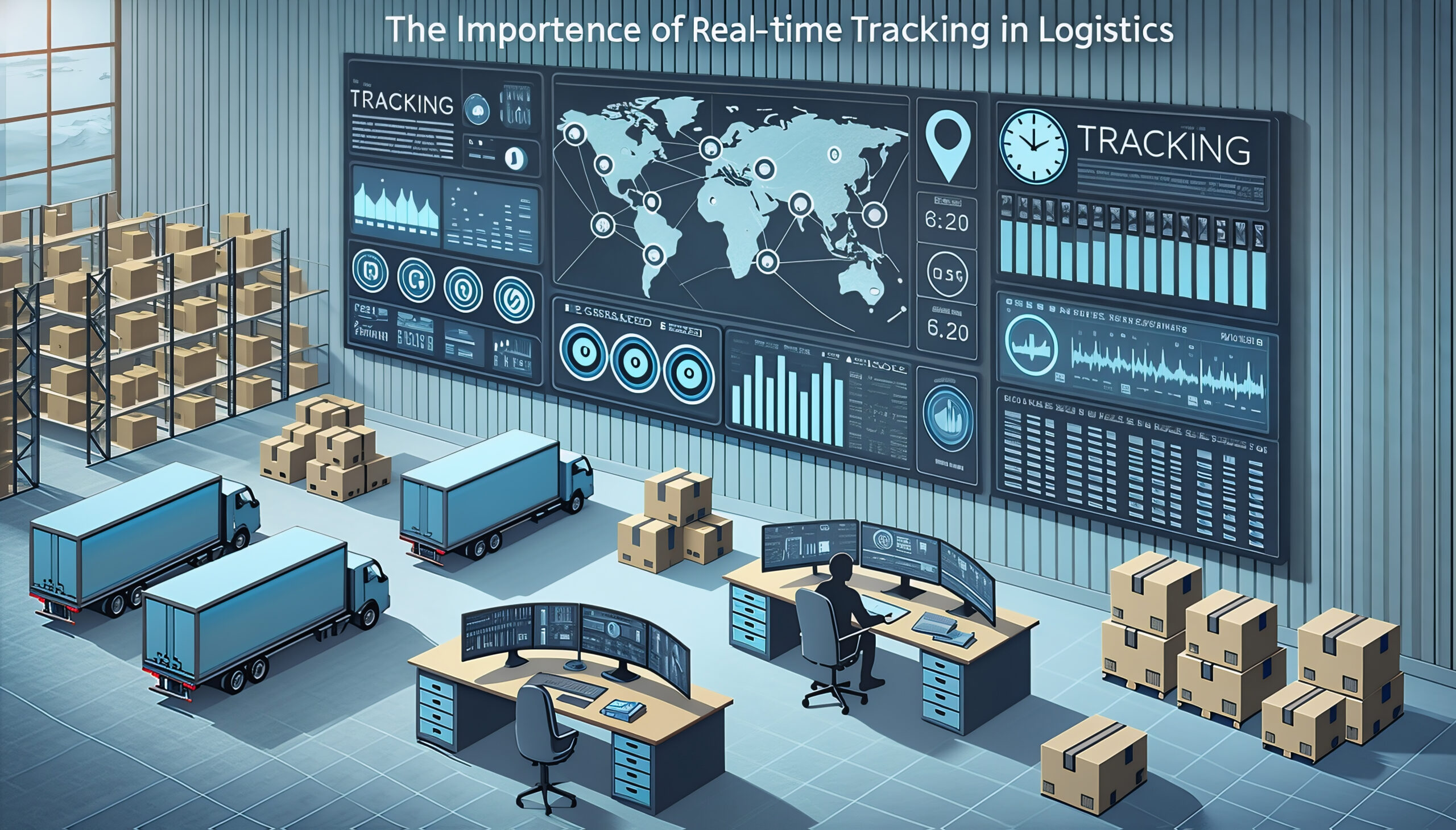
A digital control tower was set up to provide all operations with real-time visibility of inventory, orders, and fleet movements. This centralization supported predictive analytics for order prioritization, exception management, and dynamic route optimization. Mobile data capture and IoT sensors reduced manual intervention and errors.
- Automation and Process Standardization
Automated scheduling tools assigned shipments to the best-suited warehouse and dock based on real-time asset availability. Robotic process automation (RPA) managed dispatching, document creation, and compliance, replacing slow, error-prone manual tasks. Standard operating procedures (SOPs) were digitized to ensure consistent operation at peak European best practices.
- Collaborative Resource Pooling
Collaborating with export partners, Zenotris developed a central depot and pooled asset strategy. Export trolleys and truck slots were assigned dynamically, which reduced empty moves and increased throughput. Salary, equipment, and transportation costs were continuously adjusted as operations scaled, ensuring efficiency at every level.
- Continuous Improvement and Real-Time KPIs
A live dashboard allowed site managers and executives to access order cycle times, turnaround rates per location, asset utilization, shipment accuracy, and financial metrics instantly. Monthly reviews leveraged these insights to promote ongoing process improvements.
Quantitative Results
Order-to-Cash Turnaround: Reduced from 3.2 days to 1.9 days, achieving a 41% increase in fulfillment speed.
Operating Costs: Salary expenses decreased by 27%, warehouse costs by 16%, and direct transport costs by 57%. The total cost per export move fell by 24%, yielding annual savings of €73,700 for mid-size export operations and scalable benefits for larger networks.
Asset Utilization: Depot and pool-based resource sharing raised average trolley and truck utilization by 22% to 25%, cutting down empty return trips and overall carbon emissions.
Error Rate and Process Reliability: Manual errors in dispatch and order processing significantly dropped by 60% through automation and digital hand-offs. It mainly reduced costly disputes and delays.
Real-Time Visibility: End-to-end digital dashboards enhanced the company’s proactive planning, allowing site managers to address bottlenecks daily rather than waiting for monthly reports. This serves as a huge advantage to the logistics operations department.
Customer Satisfaction: Faster and more reliable deliveries led to a notable rise in customer NPS (net promoter score), enhancing retention and contract growth.
Value Delivered
Zenotris’ involvement not only cut down time and operational costs but also transformed the client’s business from a reactive to a predictive, data-driven model. By enabling higher throughput, expanding capacity, and implementing best process standards, Zenotris helped the operator become a logistics leader in the Netherlands. Zenotris also established a repeatable model for expansion across Europe.
Lessons learned & next steps
Today’s logistics economy rewards innovators. Technology is no longer considered a luxury; it is the foundation of competitiveness. Those who use tools like process intelligence increase their resilience, visibility, and agility. These characteristics are crucial in marketplaces experiencing change, uncertainty, and increased customer demands.
Firms that fail to innovate risk falling behind. Manual oversight cannot keep up with the complexities of global logistics. While competitors streamline and optimize, laggards lose money, customers, and reputation. In a business where every second counts, inefficiency may soon become the costliest liability.
Technology enables logistics organizations to not only survive, but grow. Businesses achieve long-term growth by combining data and action. others that act early have a competitive advantage over others who wait until inefficiencies destroy value.
Conclusion
Logistics transformation goes beyond speed; it focuses on building scalable, profitable, and adaptable networks. Zenotris offers the integrated solutions and expertise that European logistics operators need to progress quickly. For operators in the Netherlands, Europe’s logistics hub, Zenotris is the partner for operational success and sustainable growth.