
Industry Context
Sector: French Industrial Manufacturing
Region: France
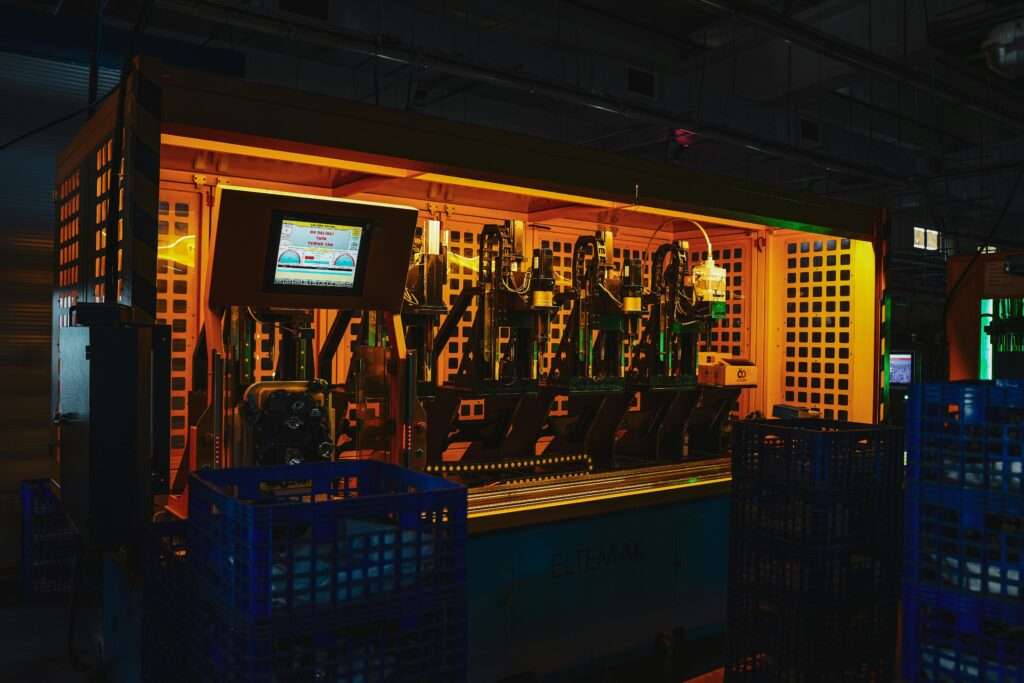
The facility had invested heavily in industrial automation over the past decade.
Machines were digitally connected.
Production data was captured in real time.
Dashboards were visible across the shop floor.
From a technology standpoint, the plant appeared advanced.
Yet customer lead times were steadily increasing.
Automation was strong. Coordination was not.
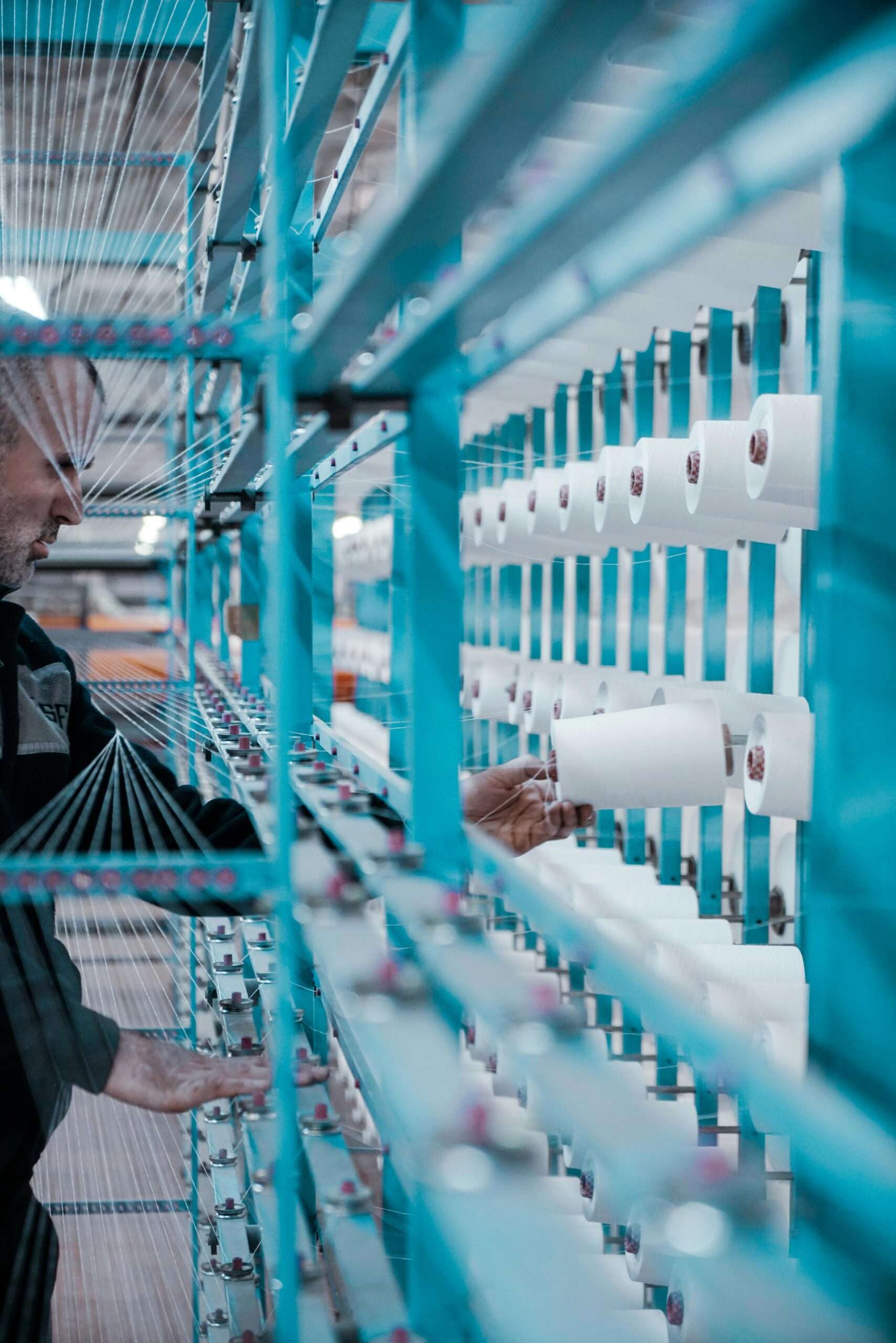
Today’s logistics economy rewards innovators. Technology is no longer considered a luxury; it is the foundation of competitiveness. Those who use tools like process intelligence increase their resilience, visibility, and agility. These characteristics are crucial in marketplaces experiencing change, uncertainty, and increased customer demands.
Firms that fail to innovate risk falling behind. Manual oversight cannot keep up with the complexities of global logistics. While competitors streamline and optimize, laggards lose money, customers, and reputation. In a business where every second counts, inefficiency may soon become the costliest liability.
Technology enables logistics organizations to not only survive, but grow. Businesses achieve long-term growth by combining data and action. others that act early have a competitive advantage over others who wait until inefficiencies destroy value.
The The Business Problem
Despite modern systems and stable demand, the plant faced:
- Extended end-to-end production lead times
- Frequent status update requests from sales
- Delays between process stages
- Escalations around “waiting for approval” or “waiting for confirmation”
Internally, each department believed it was performing well.
Collectively, the process was slow.
The Initial Diagnosis: System Limitations
Leadership initially suspected configuration issues within the MES.
However:
⚪ Production tracking accuracy was high
⚪ Machine downtime was within acceptable limits
⚪ Quality data was consistently recorded
The system was functioning as designed.
The friction was occurring between functions — not within machines.
Shifting the Lens: From Machine Events to Human Handovers
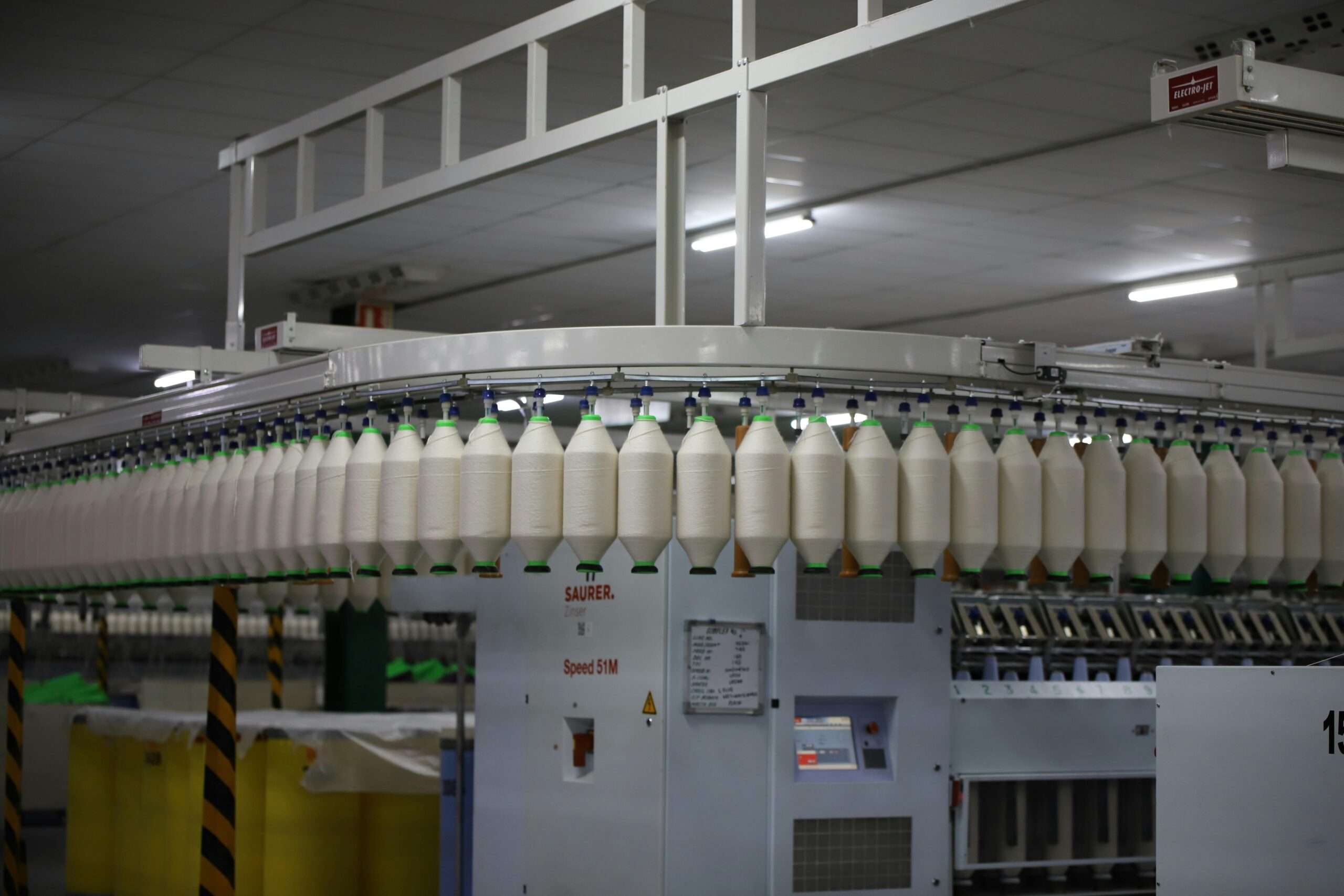
Zenotris expanded the analysis beyond equipment performance.
We mapped the full order journey across:
⚪ Production execution
⚪ Quality validation
⚪ Maintenance interventions
⚪ Planning adjustments
⚪ Sales communication loops
Instead of asking how machines performed, we asked:
Where does work wait for people?
The delays were not technical.
They were coordination-driven.
Key findings included:
- Production orders completed but waited for manual QA release confirmation
- Maintenance clearances required dual sign-offs, adding invisible delay
- Planning updates were batched once daily, not in real time
- Sales received completion signals late, delaying invoicing
Each delay was small — often hours, not days.
But across dozens of orders per week, the cumulative impact was significant.
Automation had optimised execution speed.
It had not optimised decision speed.
Why MES Maturity Is Not Enough
A mature MES captures events.
It does not automatically synchronise decisions across departments.
In this French plant, data existed — but shared visibility into cross-functional dependencies did not.
Departments optimised locally:
- Production focused on throughput
- Quality focused on compliance
- Planning focused on schedule adherence
No single team owned end-to-end flow velocity.
What Process Intelligence Revealed
The Intervention: Coordination Intelligence Layer
Zenotris introduced a process intelligence layer above existing systems to:
⚪ Visualise real waiting times between functions
⚪ Highlight approval bottlenecks
⚪ Trigger alerts for cross-functional stagnation
⚪ Align KPIs around total lead time, not departmental metrics
No automation systems were replaced.
The improvement came from transparency and synchronisation.
Measurable Impact (Within 120 Days)
⚪ Noticeable compression of end-to-end production lead time
⚪ Faster quality release cycles
⚪ Reduced order status escalations
⚪ Improved invoice timing and cash flow predictability
Lead-time reduction was achieved without increasing output or staffing.
The plant simply moved faster between steps.
Why This Matters for French Industrial Manufacturers
Many modern plants invest heavily in automation and MES platforms.
But execution visibility is not the same as coordination visibility.
Cross-functional delays often remain hidden because they do not appear as machine downtime.
Process Intelligence closes this gap by revealing where decisions — not equipment — slow the business.
Strategic Takeaway
World-class automation accelerates production.
World-class coordination accelerates the business.
Zenotris helps French manufacturers bridge the gap between MES maturity and true operational agility — delivering measurable lead-time compression without new capital investment.